What is Cognitive Processing Therapy?
Cognitive Processing Therapy (CPT) is a structured, evidence-based form of cognitive behavioral therapy designed to help people recover from the effects of traumatic experiences.
After trauma, it is common to develop beliefs about yourself, other people, or the world that make it difficult to feel safe, trust others, or move forward. You might blame yourself for what happened, question your judgment, or feel that you should have been able to prevent the experience.
CPT helps you identify and examine these beliefs, understand how they developed, and work toward more balanced ways of thinking. Rather than asking you to simply move on from the past, CPT helps you make sense of what happened and reduce the ways it continues to affect your life.

You might recognize some of these experiences:
You don’t have to remain defined by the beliefs and fears that developed after a traumatic experience. With the right support, it is possible to develop a new understanding of what happened and how you move forward.
How Does CPT Help You Heal From Trauma?
Traumatic experiences can change how you see yourself, other people, and the world around you. Sometimes, the beliefs that develop afterward can make it difficult to feel safe, trust others, or move forward.
CPT helps you identify what are often called stuck points, which are beliefs that contribute to emotional distress and prevent healing.
Through structured sessions with a trained therapist, you will learn to examine these thoughts, discover the root behind them, and develop a more balanced perspective on what you experienced.
Common trauma-related beliefs may include:
- Self-blame and guilt: Feeling that you should have prevented what happened or that the experience was somehow your fault.
- Safety and trust: Feeling that the world is dangerous or that trusting others will inevitably lead to being hurt.
- Self-worth and connection: Struggling with shame, feeling unworthy, or finding it difficult to feel close to other people.
The goal isn’t to minimize what happened. It’s to help you understand how the experience has shaped your beliefs and give you the tools to respond to those beliefs in healthier ways.

What Does Cognitive Processing Therapy Look Like?
Beginning trauma therapy can feel intimidating, especially if you are worried about revisiting painful memories. CPT focuses on how you understand and interpret the experience.
| Who can benefit from trauma therapy? | What benefits can you expect? |
|---|---|
| People experiencing persistent guilt, shame, or self-blame after trauma | Less self-blame and guilt |
| Individuals struggling with intrusive thoughts or distressing memories | Healthier beliefs about yourself and others |
| People having difficulty trusting other or feeling safe | Improved emotional well-being |
| Individuals feeling stuck in negative beliefs about themselves or the world | Greater confidence |
You don’t have to stay stuck in the past.
Trauma can affect the way you see yourself and the world long after an experience has ended. With the right support, you can begin to understand those patterns, challenge beliefs that no longer serve you, and work toward a healthier future.
At CER Counseling, we are here to help you explore your options and take the next step at a pace that feels right for you.
Frequently Asked Questions
What does CPT stand for?
CPT stands for Cognitive Process Therapy. It is an evidence-based, trauma-focused psychotherapy primarily used to treat PTSD.
How long does Cognitive Processing Therapy take?
CPT is often delivered over approximately 12 sessions, but the timeline may vary depending on your needs and progress.
Will I have to talk about my traumatic experience?
CPT involves exploring how trauma has affected your thoughts and beliefs. The amount of detail discussed and whether a written trauma account is included depend on the treatment approach you and your therapist use.
Meet Your Cognitive Processing Therapist

Nasrene Nikpora, LCPC
Licensed Clinical Professional Counselor
Finding the right therapist can make a meaningful difference in your healing journey. Nasrene Nikpora specializes in Cognitive Processing Therapy(CPT), helping individuals work through trauma-related thoughts and beliefs, reduce feelings of guilt and self-blame, and develop a healthier understanding of their experiences.
With a compassionate, individualized approach, she works alongside clients to help them process difficult experiences and move toward lasting change.
Specifics You Need to Know About Trauma Therapy in Frederick and Buckeystown
Here at The Center for Empowerment and Resilience, we provide trauma therapy services in two settings:
- In-person in our offices in Frederick and Buckeystown
- Virtually across Maryland
Here’s everything you need to know about our services:
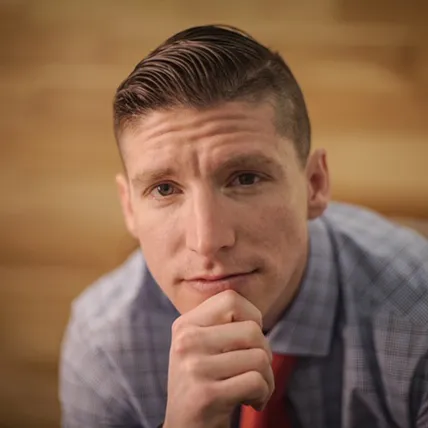
At CER Counseling, we strive to create a culture of healing, resilience, and support for all those who seek solace and recovery in the aftermath of trauma. If you’re struggling with a difficult past, you’re not alone! We’re here to support you. I warmly invite you to book a free initial consultation today!
-Sal Schittino, Owner and EMDR Therapist
Book Trauma Therapy at CER Counseling
Start With an Initial Free Consultation!
Are you struggling with trauma? It can be a huge challenge to deal with it on your own. But you don’t have to do that. We have many years of experience helping clients dealing with different kinds of trauma and related challenges.
We’re here to help you, too! We understand that starting therapy is a big step. That’s why we want to invite you to book a free initial consultation. During this initial call, you will get to ask your questions and find out more about our approach. We will not force you to start therapy with us. We want you to make an informed decision that you feel comfortable with, and we understand you may not be ready to start right away.
From here, you have two options. If you are ready to book, use the button below. If you have questions or would like to reach out before you book, please use the contact form.
We look forward to talking to you!